ยินดีต้อนรับเข้าสู่เว็บไซต์

Alcohol and Pregnancy in the United States National Institute on Alcohol Abuse and Alcoholism NIAAA

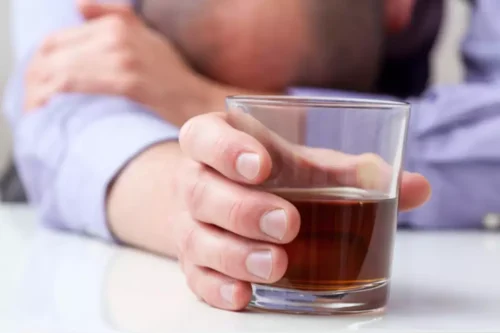
It can lead to decreased sperm quality and count due to ongoing hormonal disruptions. The longer the exposure, the more severe the consequences may be. To maximize chances of conception, individuals should pay attention to their alcohol consumption patterns. Recognizing personal tolerance levels helps in making informed choices about drinking. Understanding individual tolerance levels is Twelve-step program crucial for fertility.
Effects on Female Fertility
Studies1 have suggested that heavy drinking while trying to get pregnant can have negative consequences on both female and male fertility. Can alcohol prevent pregnancy even if you only drink occasionally? In this article, we’ll look at the science of alcohol and fertility to help you understand the effects of drinking when trying to conceive. We’ll also offer some practical tips for how to avoid alcohol to improve your fertility and reduce the risk of potential complications. Understanding how alcohol affects fertility is crucial for anyone trying to conceive. From its impact on female fertility to sperm quality, alcohol can create hurdles you might not even realize.
Mira Fertility Tea
This tracking method provides motivation as you see improvements over time. Research shows that binge drinking can be particularly harmful. Binge drinking is defined as consuming five or more drinks in a short period.
- Alcohol can affect sperm quality and motility, which are crucial for fertilization.
- Moreover, even moderate drinking can have adverse effects on uterine receptivity.
- In this article, we’ll look at the science of alcohol and fertility to help you understand the effects of drinking when trying to conceive.
- Male partners are encouraged to avoid drinking at least the week before sperm retrieval.
- Always seek the advice of a qualified health provider with any questions you have regarding a medical condition.
- According to What to Expect, the whole process of conception, from sex to implantation takes between two and three weeks.
Where can I get more information about FASDs?
Many women choose to be careful about the timing of their drinking when trying to conceive, abstaining from drinking during their two week wait (after ovulation) to maximize their chances of a healthy pregnancy. Recall that most women don’t find out that they’re pregnant until four to six weeks into the pregnancy, so practicing a few weeks of total sobriety after ovulation is a good way to keep your bases covered. There is no safe amount of alcohol that can be used during pregnancy and the harmful effects can begin immediately. Drinking even moderate amounts may lead to miscarriage and you should not drink if you know you are pregnant or trying to get pregnant.
Tips to Survive the Holidays with Infertility

Mindful drinking encourages awareness of how much alcohol you consume. Pay attention to the effects of alcoholic beverages on your body and mind. Familiarizing yourself with low-risk drinking guidelines can aid in moderation. The Centers for Disease Control and Prevention (CDC) defines moderate drinking as up to one drink per day for women and two drinks per day for men. Men also experience significant effects from prolonged alcohol use.

Long-Term Effects

Alcohol can cause harm at any time during a pregnancy and even a few sips will pass straight through the placenta to your developing baby. Just as with men, the relationship between alcohol consumption and a woman’s fertility effects of depends on the amount and frequency you are drinking. Again, heavy alcohol use tends to have more pronounced negative effects. For example, low to moderate amounts of alcohol before pregnancy do not increase the probability of miscarriage, whereas heavy drinking might.
Can my child get an FASD if I drink while breastfeeding?
- In-vitro fertilization, or IVF, is an assisted reproductive technology used to improve the chance of conception.
- You can find a variety of mocktails and non-alcoholic drinks at most bars and restaurants.
- Moreover, binge drinking significantly raises the risk of infertility issues.
- Yet, as many as 50% of women may continue to drink during pregnancy, some even after they learn they are pregnant.
A decrease in testosterone levels with long-term alcohol consumption can cause decreased libido, erection problems and, as a result, decreased fertility or infertility. Based on the results of the study, we can answer the question “Is it possible to drink alcohol when trying to get pregnant? ” In principle, a glass of wine in the first two weeks of the cycle will not lead to a decrease in the chances of conception.
- The United Kingdom finally revised these recommendations to indicate that no amount of alcohol consumption is safe during pregnancy.
- A couple of episodes of binge drinking during a pregnancy won’t cause a miscarriage, but drinking five or more drinks several times a week might.
- Researchers noted that affluent women from higher socioeconomic and social statuses may be more likely to drink during pregnancy, and that affluence could potentially skew the results of these studies.
- We strongly recommend that you consult with a qualified health provider before making any decisions regarding your, your child’s, or any other person’s health based on information provided here.
- In fact, the chance of miscarriage increases significantly each week alcohol is consumed, which is why women are advised to avoid alcohol when TTC since they may be pregnant and not even know it.
- Keep yourself motivated as you reduce your alcohol intake by focusing on the positive outcomes.
Ovulation & Fertility
No, there is no point during pregnancy when drinking alcohol is considered safe. Harmful effects from alcohol can happen at the earliest stages of pregnancy to the developing fetal brain—even before someone realizes they are pregnant. Because different aspects of the child are developing at all stages of pregnancy, alcohol’s effects on a developing baby what is social drinking can result from alcohol use at any point during pregnancy.